

A UGC ad sells when a believable person holds your product, shows what it does in the first seconds and gives a reason to keep watching. Brands get them every month by briefing creators for ads, testing several hooks on the same body, keeping the rights and raw footage, and remaking the winners.
- UGC ads are creator videos used as paid ads. They work because people stop for people, and a phone-filmed demo reads as proof.
- The point of UGC is the product in someone's hand and what it does. If the product barely shows up, nobody learns why to buy it.
- A hook is a picture and a line together. Test several on the same body and let the account tell you which one wins.
- Ads wear out. Plan a monthly flow of new faces, hooks and angles instead of one big batch.
- Keep the raw footage and the usage rights, so a winner can be recut and run for as long as it earns.
What UGC ads are, and why they work
UGC ads are videos made by creators, filmed on a phone, and run as paid ads on Meta, TikTok and other platforms. UGC video ads usually look like a normal post: a person in a kitchen, a car or a bathroom talking about a product they actually use. The brand pays the creator and gets the right to run the video as an ad.
They work because social media is a fight for attention, and people scroll past anything that looks like an ad. They stop for a person. A real customer type who holds your product, shows what it does and says what happened gives the shopper something a studio shot cannot: proof from someone like them.
One thing separates UGC ads from the same video posted on a creator's feed. An ad has one job, and it is judged in your ad account by cost per purchase, not by likes. That changes how you brief it, how you cut it and how many versions you need.
 Talking to camera
 Product in hand
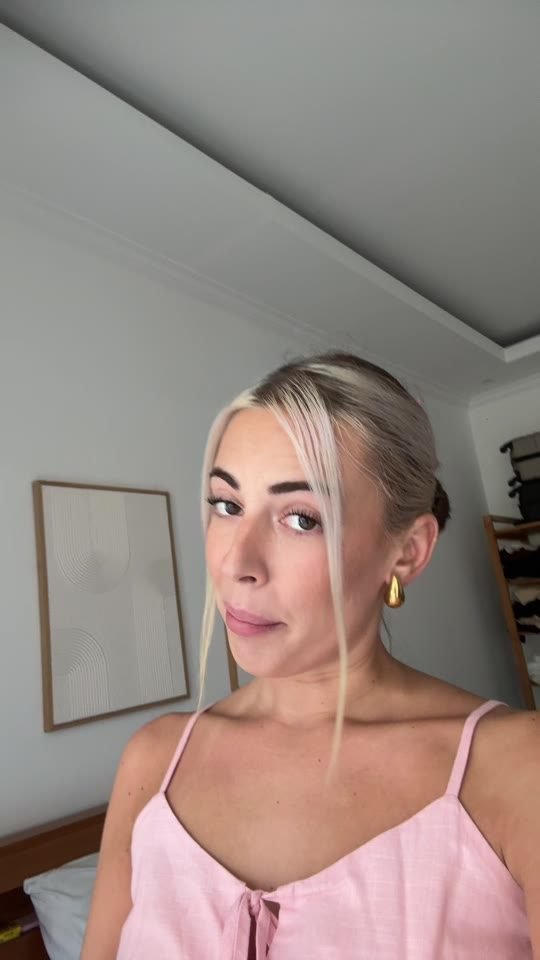 Real home, real light
What makes a UGC ad sell
The difference between a video that sells and one that does not lives in small details: the person on camera, the first second, the moment the product works. These are the points we come back to on every campaign.
- Put the product in someone's hand and show what it does. That is the point of UGC. If the product never really shows up, the video is just content.
- Cast natural sellers. Some people are simply good on camera and believable when they talk about a product. Pick for that and for how closely they look like your customer. Follower count matters far less.
- Decide whether the product needs education. If shoppers have to understand the problem first, spend the time on the problem. If they get it at a glance, skip the lesson and show it working.
- Do not copy a fixed length or structure. Product first or last, before and after, how long each part runs: it depends on what works in your account. Test, test, test.
- Keep it real. Light polish is fine. A video that looks like it came from an agency studio loses the thing you paid for.
Changing the picture every few seconds is a tool to use when it helps. It helps when a creator is weak on camera or when you want to test formats. A strong natural seller can hold a single shot.
Hooks: test the picture and the line together
Most of the result of a UGC ad is decided in the first seconds. A hook has two halves. The visual half is what the viewer sees: the empty bottle, the messy drawer, the face reacting. The written half is the line on screen or the first words spoken. The pair is what stops the scroll. A great line over a dull shot loses, and so does a great shot with no reason to keep watching.
You rarely know in advance which hook wins, so build for testing. Keep the body of the video the same and swap only the first three seconds. Ask for several hooks per video in the brief, and describe both halves, for example "opens holding the empty bottle, text on screen: I finished this in a week". Then put each version in your ad account and let the numbers pick.
Several hooks from one shoot are part of a good package. They give you test variants without booking a new creator every time.
- Visual halfWhat the viewer sees in the first second: the product, the face, the problem.
- Written halfThe line on screen. It has to work with the picture, never alone.
- The bodySame middle for every hook, so you only pay to test the opening.
- The proofThe moment the product works, in someone's hand.
How many UGC ads do you need?
Ads wear out. The audience sees the same face and the same opening, and results slide. A brand that spends seriously on paid social needs fresh creative on a steady rhythm, and scaling spend means more videos again.
There is no magic number, but the shape is predictable:
- Start with a test batch. A handful of creators, different faces and different angles, each with a few hooks. You are looking for the angle that sells. The polish comes later.
- Double down on what the account shows. If one angle or one creator wins, brief more of it. Keep the others in rotation as the control.
- Refresh monthly. New creators, new hooks on proven bodies, and new angles from reviews and customer questions.
If you want a number for your own budget, the creator plan tool turns your ad spend and goals into a monthly video plan.
Brief it as an ad from the first line
An ad script is not an organic script, and a brief for an ad should say so. Before anything else, write the goal at the top: this video will run as a paid ad on Meta and TikTok.
Then name exactly what comes back. How many videos, how many hooks each, which format, whether you get raw clips and whether the creator adds subtitles. Do not assume they will figure it out, because they will not. Add two or three reference videos with a line on what to take from each. A brief is what brings the creator into the campaign, so make it visual and keep it short. Many campaigns also need a short script for the hook and the call to action. The full method, with a template, is in how to brief UGC creators.
Who writes the lines depends on how much you know. If your account already tells you which angles sell, write them down for the creator. If you are still testing, give the creator room, because the best natural sellers often say it better than a copywriter would.
Get the rights before you spend on the ad
Running a creator's video as an ad needs more than the file. You need the right to use it in paid media, for a stated time and on stated channels, and if you want the ad to run from the creator's own handle you need their permission on the platform too. Sort this in the deal, before filming. Our guide to UGC usage rights covers durations, whitelisting and what to put in the contract, and what UGC costs shows how rights change the price.
Keep your winners and make more of them
The return lives in the winners. When a video starts to sell, you want to recut it, test new hooks on it and brief the next creator with it as the reference. That is only possible if you asked for the raw footage and secured the rights for long enough.
Some of what we have seen from running these programs: most of our UGC videos return 4x, and a single creator video has produced 1.5M in sales. Numbers like that come from volume and testing. Nobody lands a winner on the first try, but a steady flow of tested creators finds them.
- LaunchSeveral hooks on the same body
- ReadYour ad account picks the winner
- RecutNew hooks on the winning body, from the raw clips
- ScaleMore creators on the winning angle
Three ways to get UGC ads every month
There are three routes, and most brands move from the first toward the third as spend grows.
- Do it in-house. You search for creators, negotiate, write the brief, ship product, chase deadlines, review drafts and pay each person. It works at small scale and eats a marketer's week.
- Use a marketplace. You post a brief and creators apply. Faster to start, with the quality and follow-up still on you.
- Work with an agency. The agency casts, writes the brief and hooks, handles contracts, rights, shipping and revisions, and pays the creators. Your job shrinks to two decisions: which creators, and which videos. That is how our UGC agency for ecommerce brands runs, with up to 3 rounds of revisions or a reshoot in every deal.
Whichever route you pick, the first videos arrive a few weeks after kickoff, and most of that wait is shipping.
A quick checklist before you launch UGC ads
The goal says "paid ad". The deliverables are named: videos, hooks, format, raw clips. References attached. Usage rights cover paid use, the channels you need and enough months. Permission is in place if the ad runs from the creator's handle. A plan for the next batch exists before the first one is live.
Questions
What are UGC ads?
UGC ads are videos made by creators, usually filmed on a phone, that a brand runs as paid ads. The brand pays the creator and secures the rights to use the video in advertising.
How many hooks should a UGC ad have?
There is no fixed number. Ask for several hooks per video, with the same body and a different first three seconds, then let your ad account show which one wins.
How long should a UGC ad be?
It depends on what works in your account. Product first or last and how long each part runs are things to test in your account.
Do I need the raw footage?
Ask for it. Raw clips let you recut a winning video and test new hooks without booking the creator again.
How do I get UGC ads every month?
Either build the process in-house, use a marketplace, or work with an agency that casts, briefs, handles rights and shipping, and delivers finished videos on a steady schedule.

Co-founder of NOVA. Runs strategy and creators for our consumer brand clients across Latin America, the US and Europe. LinkedIn
